
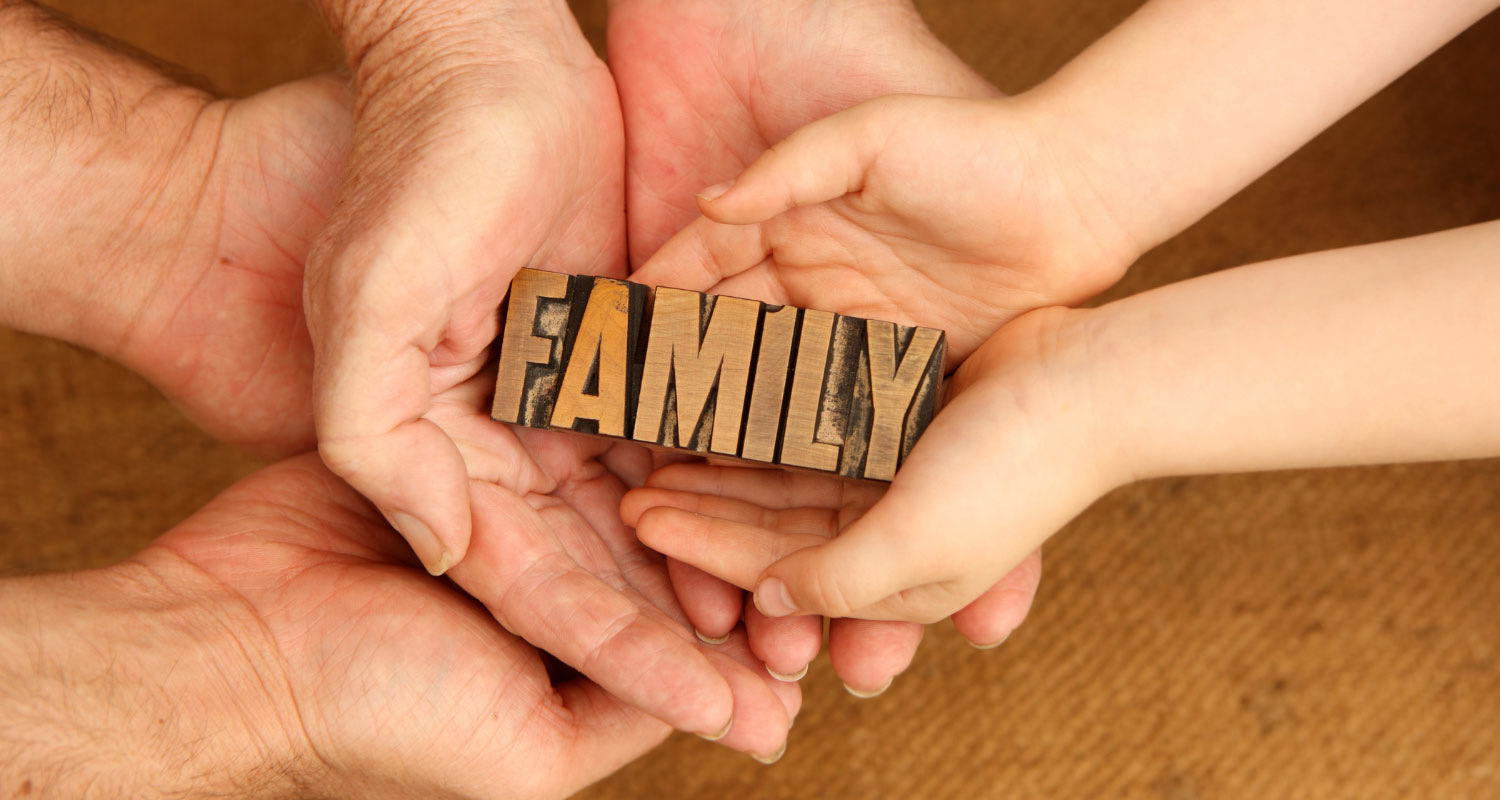
February brings Family Day, a holiday that encourages us to pause from our routines and focus on the people who fill our lives with love, purpose, and connection. While Family Day is a civic holiday, its themes align naturally with core Jewish values. Family is central in Judaism. The Torah is filled with stories of parents and children, siblings, and generations who shape the future through their relationships.
The Hebrew word for family is “mishpacha.” It comes from the root “shafach,” which means to join or connect. This suggests that family is not just defined by blood but by the connections we nurture. In Jewish tradition, a family is a place where values are transmitted, traditions are kept alive, and identity is shaped.
How Judaism Understands Family
Judaism teaches that a home is a miniature sanctuary. The Shabbat table is described as an altar. The act of blessing children on Friday night is a sacred moment that affirms love, hope, and continuity. These rituals reinforce the idea that family is the foundation upon which Jewish life is built.
The Shema, one of the central prayers in Judaism, instructs us to teach our children diligently. This is not only about formal learning. It is about modeling kindness, practicing gratitude, demonstrating patience, and showing children how to respond to challenges.
Family as a Source of Strength
Family Day provides an opportunity to reflect on what strengthens our families. In modern life, schedules are full and the pace is fast. Judaism offers a counterbalance. It prioritizes presence, conversation, and shared experience. Shabbat meals, holiday preparations, bedtime rituals, and storytelling all support emotional security and connection.
Research in child development reinforces what Jewish tradition has known for centuries. Children who feel connected to their families develop stronger emotional regulation, deeper confidence, and a greater sense of belonging. Family is not only a support system. It is a developmental anchor.
How Tamim Nurtures Family Values
At Tamim, the partnership between home and school is essential. Our approach reflects the belief that parents are the primary educators and that the school supports the family in raising confident, compassionate Jewish children. Learning extends beyond the classroom. Children bring home stories, questions, traditions, and values. Parents reinforce them through practice, dialogue, and participation.
Some of the ways this partnership comes to life include:
Shared rituals
Encouraging families to light Shabbat candles, recite blessings, and celebrate holidays together.
Open communication
Teachers regularly share what is happening in the classroom so families can extend conversations at home.
Community events
Programs throughout the year create opportunities for families to meet, connect, and support one another.
Celebrating Family Day with Intention
Families can observe Family Day in meaningful ways that align with Jewish values.
- Share stories across generations
Children love hearing stories from parents and grandparents. These narratives help anchor them in identity and history. - Create something together
Baking challah, making a craft, or preparing a special meal strengthens bonds and creates lasting memories. - Practice gratitude
Each family member can express one thing they appreciate about someone else in the home. - Spend time without distractions
Even a short period of focused time reinforces connection.
A Day of Connection, A Year of Growth
Family Day is a reminder that relationships are at the heart of Jewish life. It encourages us to notice the people who support us, guide us, and grow with us. When we celebrate our families with intention, we reinforce the values that shape our children into thoughtful, grounded, and connected individuals.
Judaism teaches that the home is where holiness begins. This February, as we mark Family Day, we can embrace the opportunity to strengthen our connections, deepen our gratitude, and celebrate the gift of family.